Top 5 Essential ERP Transportation Management Features
Manufacturer, managing your logistics and supply chain brings new challenges every day. From meeting customer demands for efficiency and improved margins, to effectively managing your routes and carriers – transportation requires accuracy, speed, and flexibility in order to improve compliance, minimize costs, and maximize resources.
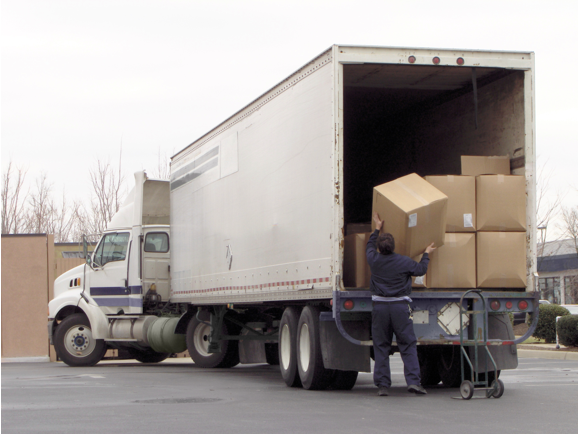
Irrespective of your fleet’s strength, ERP systems can provide the ideal solution for all of your transportation operations, helping you overcome overhead expenses, unanticipated break-fix scenarios, and abrupt downtime. As per Forrester Research, you can expect to save an average of 8% per year on transportation costs by using a transportation management system. This is possible through cost reductions from identifying load consolidation opportunities; automating repetitive tasks; optimizing route, carrier, and mode selection; and, other areas of savings.
5 Essential Transportation Management Features
With transportation management in ERP, you can accurately forecast demand and shipment volumes, enhance freight management, consolidate orders, maximize the return on your transportation spend, and gain real-time visibility into domestic and international shipping across all transportation modes – basically achieve all of your transportation goals. Let’s look at some key features:
Requirements Management
With transportation management in ERP, you can streamline the requirements management process by integrating your transportation order processing with order-to-cash and order-to-pay processes, and get your required visibility. By centralizing transportation management requirements, you can reduce redundant tasks and focus on value-added activities.
Optimize Shipments
Plan, consolidate, and optimize shipments while simultaneously considering constraints, costs, and penalties. Address international trade and restricted goods management requirements and reduce spend while maintaining required levels of customer service.
Carrier Booking
Collaborate with carriers, reserve capacity for shipments, change booking confirmations and shipping instructions, and better coordinate transportation activities. By tendering orders to one or many carriers, you can choose the preferred carrier for your shipments based on optimization and ranking techniques.
Effectively Monitor Transportation
Manage communication with carriers, dispatch and track freight orders, and maintain necessary documentation. Full integration to your warehouse management system enables faster, more dynamic, and responsive logistics execution and improved cargo handling.
Route Planning
With ERP transportation management, you can evaluate a pool of orders, and determine the optimal transportation mode, route, and carrier to minimize expenses within the required customer service level constraints.
Transport Follow-Up
Carry out the required physical or administrative operation regarding transportation: event by event traceability of transport, custom clearance, invoicing, delivery of shipment, and set alerts.
Key Transportation Management Benefits
Taking this a step further, say you have all of the key features referenced above – now what? Transportation management in ERP can even improve business profitability, by offering the following benefits:
- Improved accountability and visibility into the transportation chain. Reduced costs through better route planning, and load optimization
- Consolidated and optimized inbound, outbound, domestic, and international shipments
- Improved transportation logistics ensuring on-time deliveries and expected customer service levels
- Configuration of optimum rating structures based on charges such as fuel and tolls
- Effective handling of large volumes of transportation and logistics data through state-of-the-art analysis and planning
- Easy identification of fastest route or least expensive rate for a shipment
- Strategic purchase and sale of freight capacity with centralized order management
- Efficient management of all expenses associated with operating transport vehicles
Improving Transportation Efficiency
Since ERP transportation management systems are a complicated collection of functionalities, it is important that you understand your transportation process and identify critical requirements. You can then accordingly select the required transportation functionalities and make sure that the ERP transportation management system you choose is strong in all of the areas that are key to your success, and help in improving transportation efficiency.
Conclusion
ERP implementation is a major financial commitment; careful in-house planning and controls, expert consultants, and a fitting technology that meets business needs is imperative to ensure success of your implementation.